
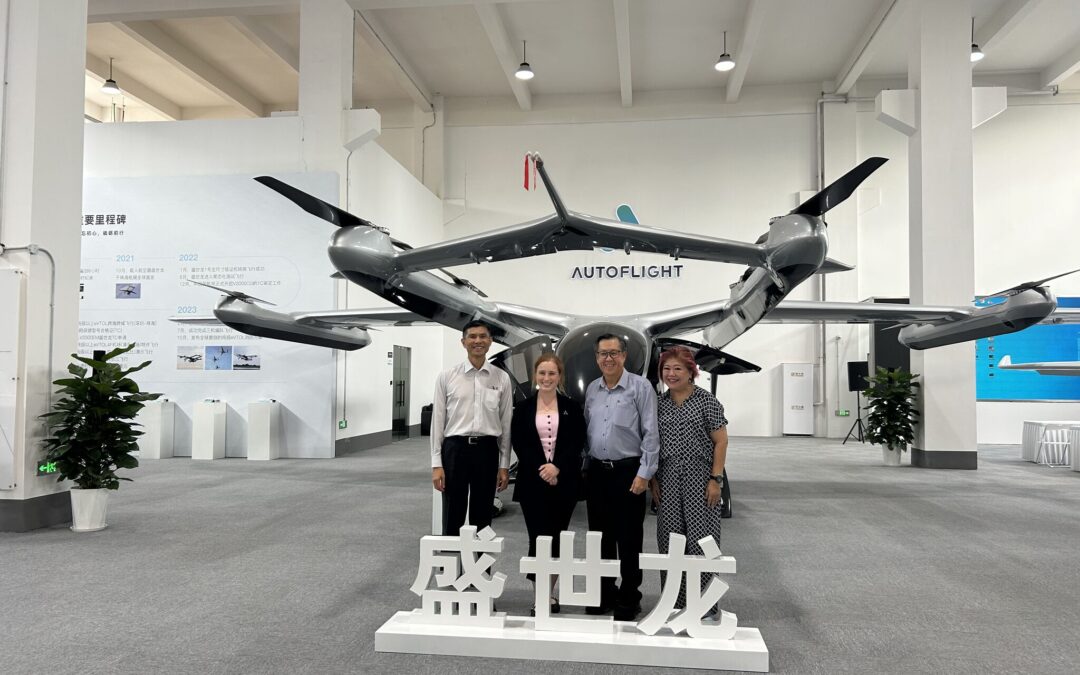
At the invitation of the Chinese Society of Aeronautics & Astronautics (CSAA), the Association of Aerospace Industries (Singapore) (AAIS) participated in a learning visit to Suzhou and Shanghai in conjunction with the 4th National Low Altitude Economy (LAE) Expo held from 26–28 June.
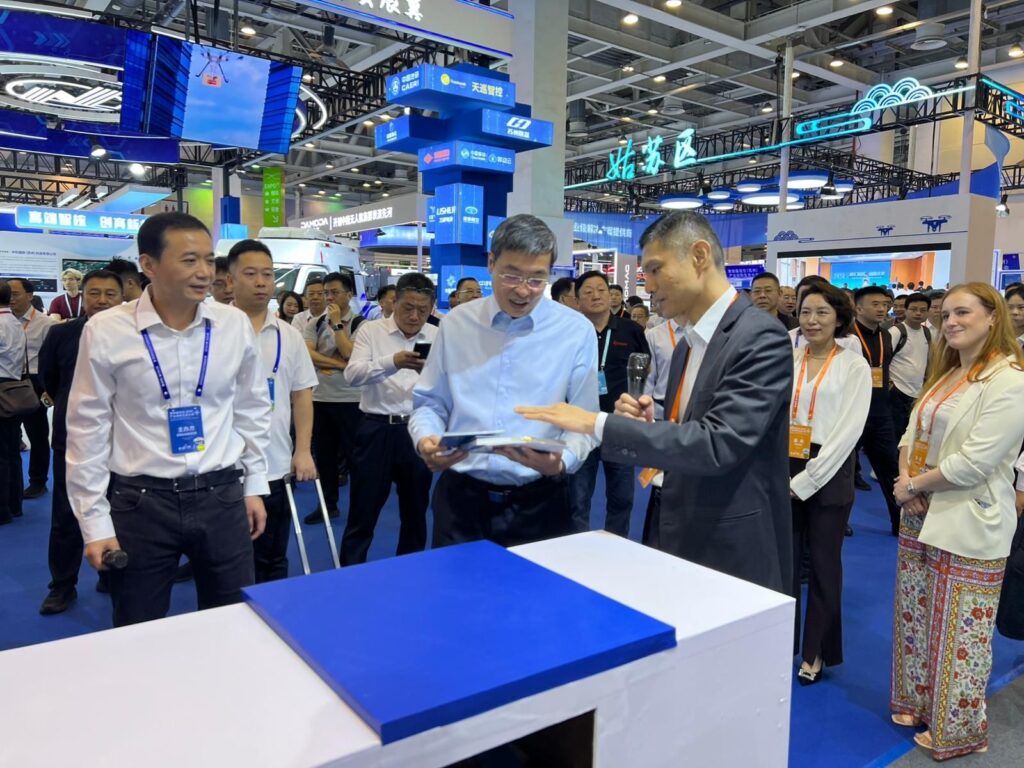
The programme provided valuable opportunities to deepen industry exchanges and gain first-hand insights into China’s rapidly evolving aerospace and LAE sectors. Held in Suzhou, the Expo brought together government agencies, industry leaders and technology companies to showcase developments across the LAE ecosystem and was graced by Suzhou Mayor Wang Wei and Jiangsu Executive Vice Governor Ma Xin.
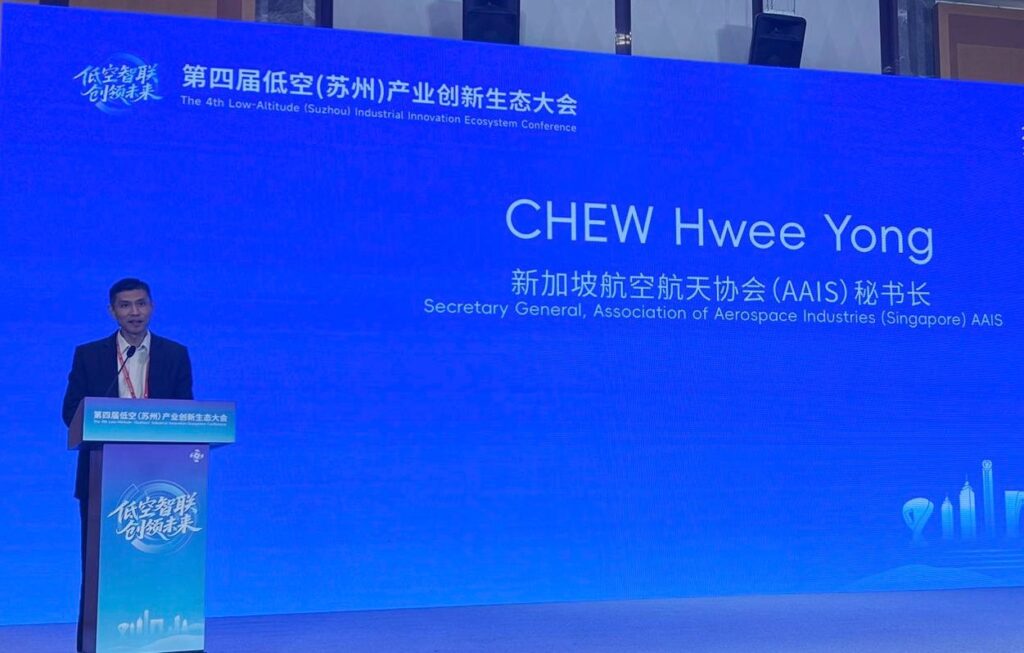
AAIS Chief Executive Chew Hwee Yong delivered a presentation in Mandarin on the development of Singapore’s unmanned aircraft systems (UAS) ecosystem. The presentation highlighted Singapore’s regulatory and industry landscape, the role of AAIS in supporting industry development through the Singapore UAS Community, and opportunities for collaboration between Singapore and China in emerging aerospace technologies.
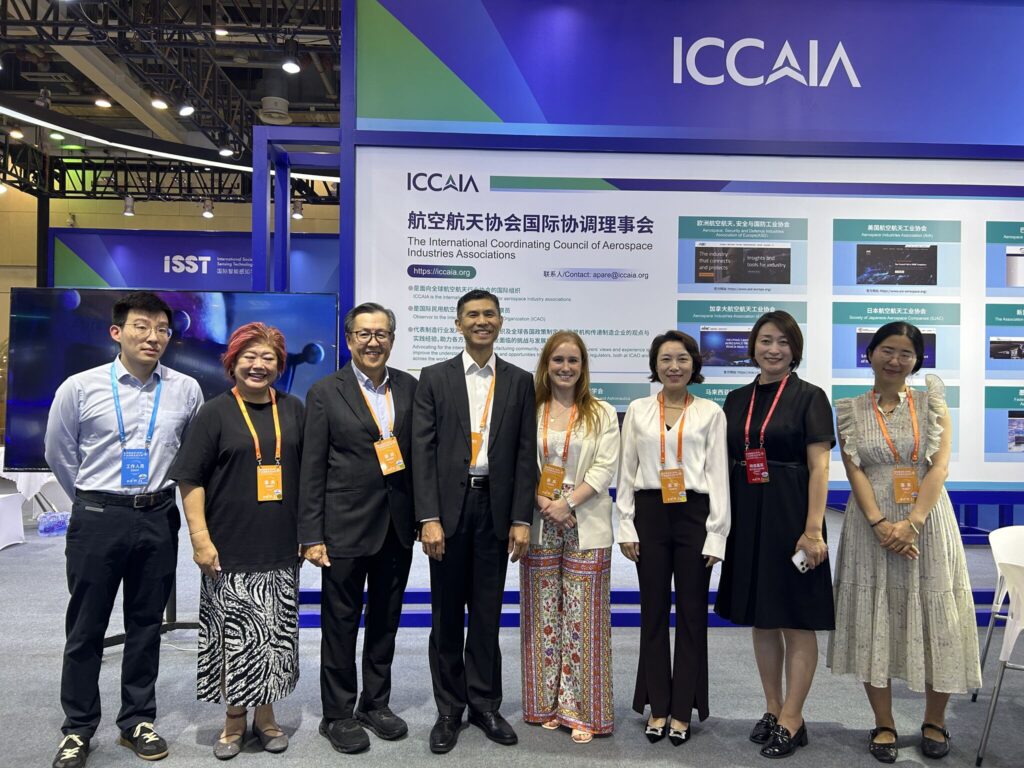
AAIS also took the opportunity to participate in conference sessions covering innovation, manufacturing and policy developments supporting the LAE. The exhibition also showcased a wide range of technologies and solutions spanning unmanned aircraft systems, advanced air mobility, digital infrastructure and supporting capabilities. AAIS, as an Associate Member, was pleased to welcomed by International Coordinating Council of Aerospace Industries Associations (ICCAIA) at the International Pavilion, where the delegation engaged with leaders, exhibitors and visitors and exchanged perspectives on developments across the global aerospace industry.
A key discussion throughout the mission centred on the unique regulatory challenges of developing the Low Altitude Economy. Unlike traditional aviation, LAE applications operate much closer to communities and everyday economic activities, requiring a more integrated approach to airspace management, safety, digital infrastructure and public acceptance. Speakers highlighted China’s policy philosophy that emerging sectors should first be “controllable”, then “trustable”, before ultimately becoming “liberalisable”—an approach that seeks to balance innovation with safety and regulatory confidence.
The CSAA-organised programme also included technical visits to COMAC in Shanghai and AutoFlight, where delegates gained insights into China’s commercial aviation capabilities, advanced air mobility technologies and the country’s broader aerospace ambitions.
AAIS was also pleased to participate in an international networking reception hosted by ICCAIA and CSAA, providing opportunities to strengthen relationships and explore future areas of collaboration between our aerospace and UAS communities.
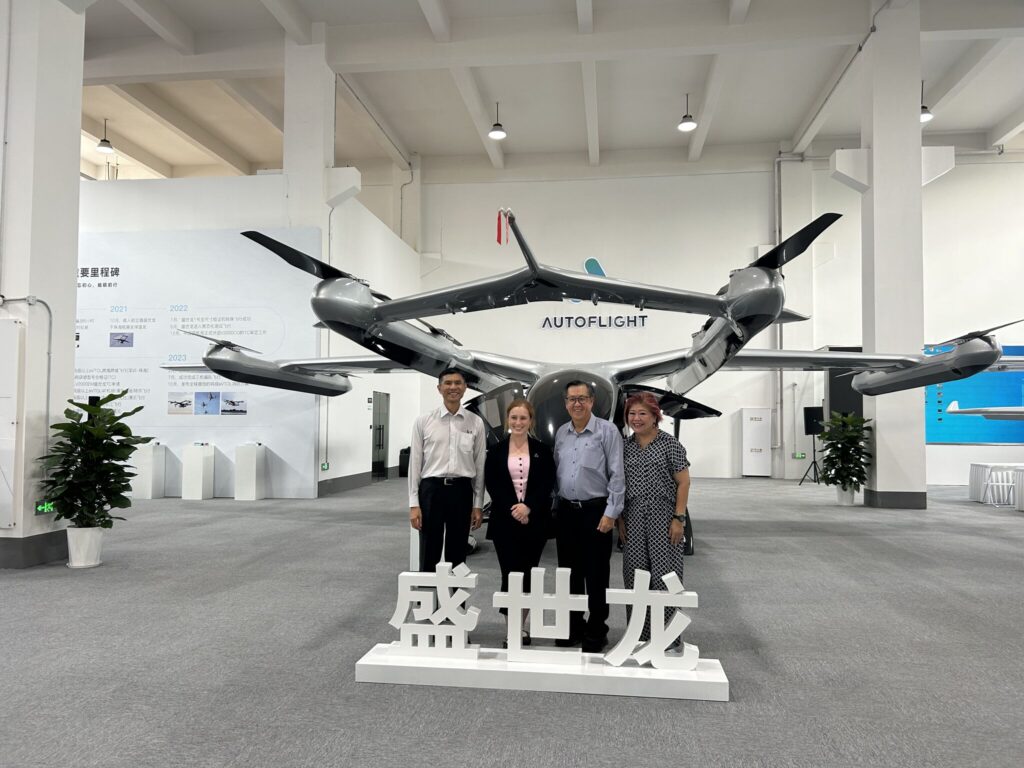
AAIS extends its sincere appreciation to CSAA, particularly Ms Zhang Xue, for the warm hospitality and excellent arrangements throughout the visit. We also thank Mr Ivan Neo, a member of AAIS’ Panel of Experts, for joining the delegation and contributing his expertise during the mission.
AAIS looks forward to building on the relationships established during the visit and exploring new opportunities for collaboration that will benefit Singapore’s UAS and broader aerospace community.
Recent Comments