
𝗛𝗼𝘄 𝗰𝗮𝗻 𝗮𝗲𝗿𝗼𝘀𝗽𝗮𝗰𝗲 𝗮𝗱𝗼𝗽𝘁 𝗔𝗜 𝗰𝗼𝗻𝗳𝗶𝗱𝗲𝗻𝘁𝗹𝘆 𝘄𝗵𝗶𝗹𝗲 𝗽𝗿𝗲𝘀𝗲𝗿𝘃𝗶𝗻𝗴 𝘁𝗵𝗲 𝘀𝗮𝗳𝗲𝘁𝘆, 𝘁𝗿𝘂𝘀𝘁 𝗮𝗻𝗱 𝗿𝗲𝗹𝗶𝗮𝗯𝗶𝗹𝗶𝘁𝘆 𝘁𝗵𝗮𝘁 𝗱𝗲𝗳𝗶𝗻𝗲 𝗮𝘃𝗶𝗮𝘁𝗶𝗼𝗻?
This was the guiding question at the seminar, “The Path Forward: EASA, ASTAR and Industry on AI-Driven Transformation”, co-organised by AAIS and NTUC Aerospace & Aviation Cluster on 2 July.
Building on the strong response to AAIS’ AI seminar in March, the event brought together aerospace professionals, researchers, regulators and technology providers to explore the practical realities of implementing AI in the stringent safety, regulatory and operational requirements of aviation. The event once again drew a strong turnout, with more than 100 participants filling the venue, underscoring the industry’s strong interest in this subject matter.
The seminar opened with presentations by representatives from the European Union Aviation Safety Agency (EASA), Ms Inês Berlenga, Project Manager for AI Ethics, and Mr François Triboulet, Project Manager for AI Assurance. They outlined EASA’s approach to enabling the safe and responsible deployment of AI. There was a very useful sharing of governance frameworks, risk-based assurance methodologies and regulatory guidance. The experts also engaged with participants, discussing safe and trusted implementation, human oversight and collaboration between regulators and industry to foster trust as AI capabilities continue to mature.
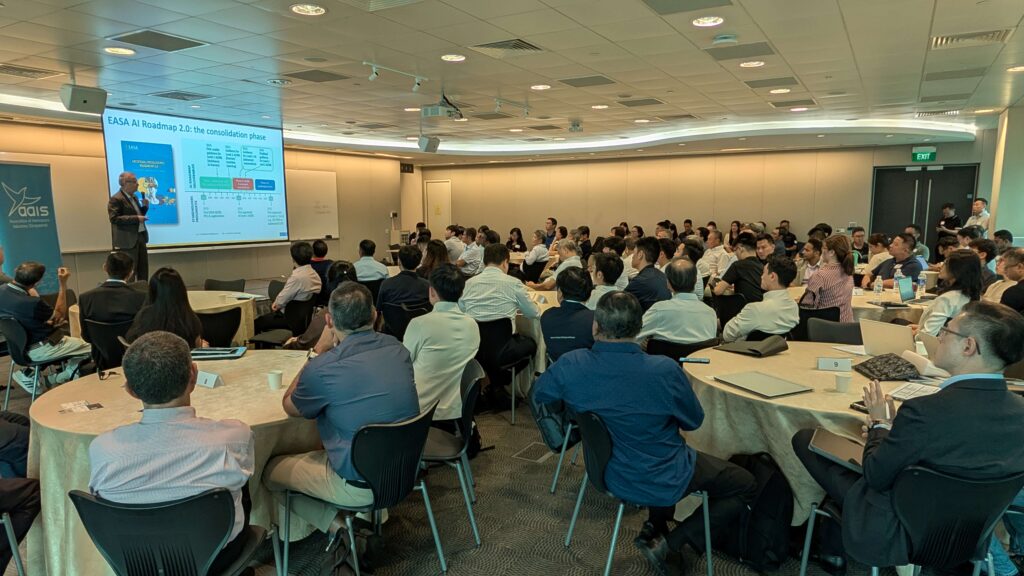
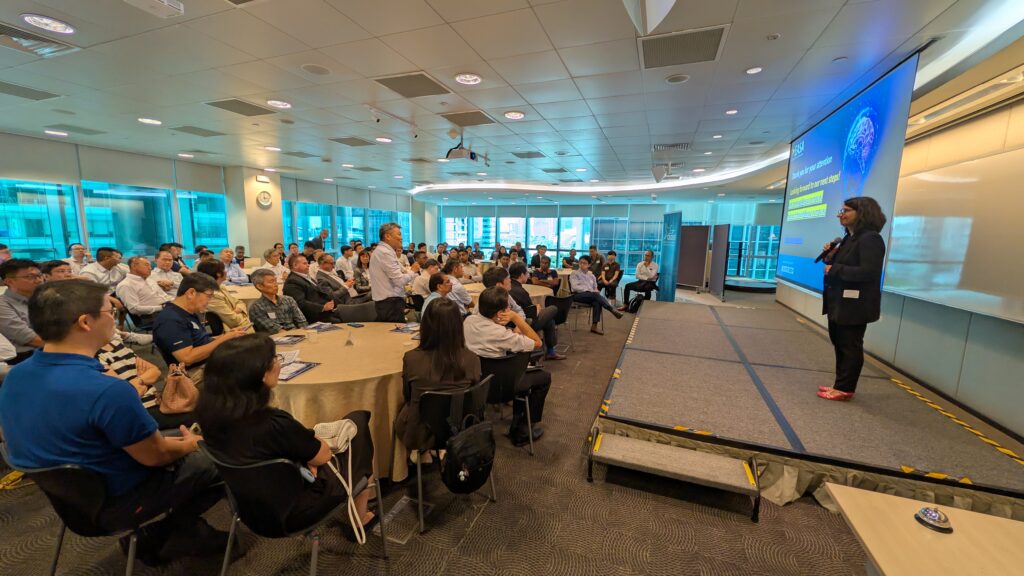
Participants then heard from Mr Nelson Low, Director of the Singapore Aerospace Programme at ASTAR, who shared how the institution is working closely with industry to harness AI technologies to address operational challenges within aerospace MRO. Drawing on examples from ongoing research and industry collaborations, he highlighted AI-enabled solutions to improve productivity, optimise maintenance processes and strengthen decision-making. He called on industry to work closely with ASTAR to co-develop user-centric AI solutions that address real operational needs.
There was also a sharing by solution providers actively supporting digital transformation initiatives. Mr Biju Alex Thomas, Operations Director of Emage Vision, showcased how intelligent imaging can modernise legacy industrial processes and improve operational efficiency. Mr Jeremy Ang, Co-Founder and CEO of Axium Industries Group, shared his experiences developing agentic AI solutions for supply chain operations.
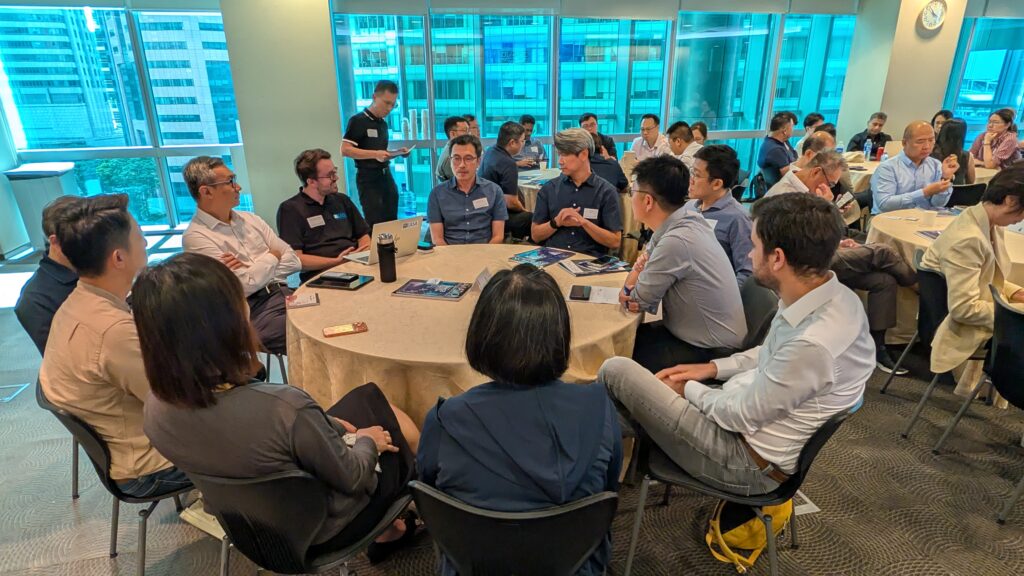
Following the presentations, participants took part in facilitated table discussions to exchange perspectives on the opportunities and challenges of AI adoption within their own organisations. These conversations provided valuable feedback on the industry’s AI maturity, implementation priorities and areas where further collaboration and capability building could support the sector’s digital transformation journey.
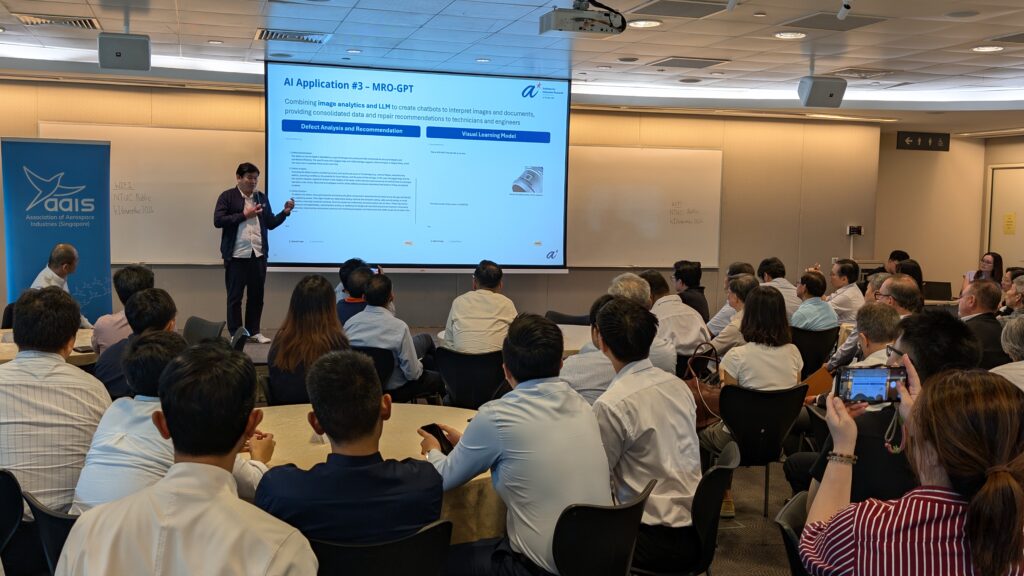
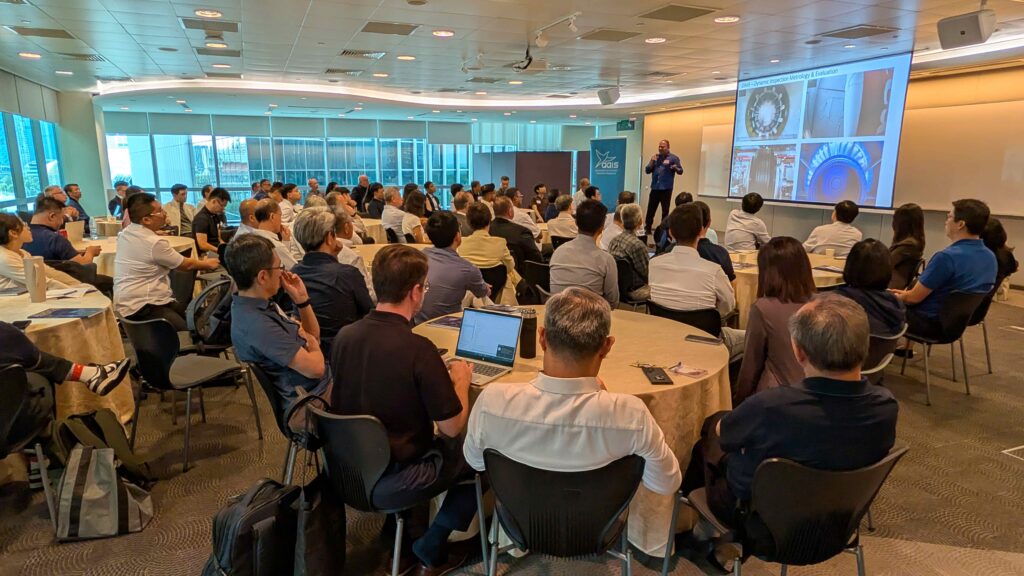
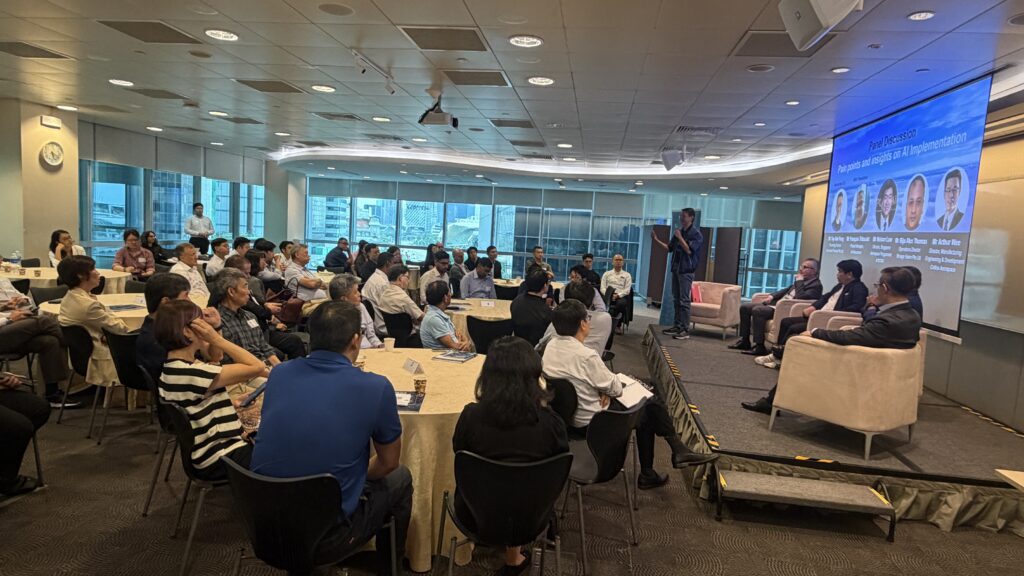
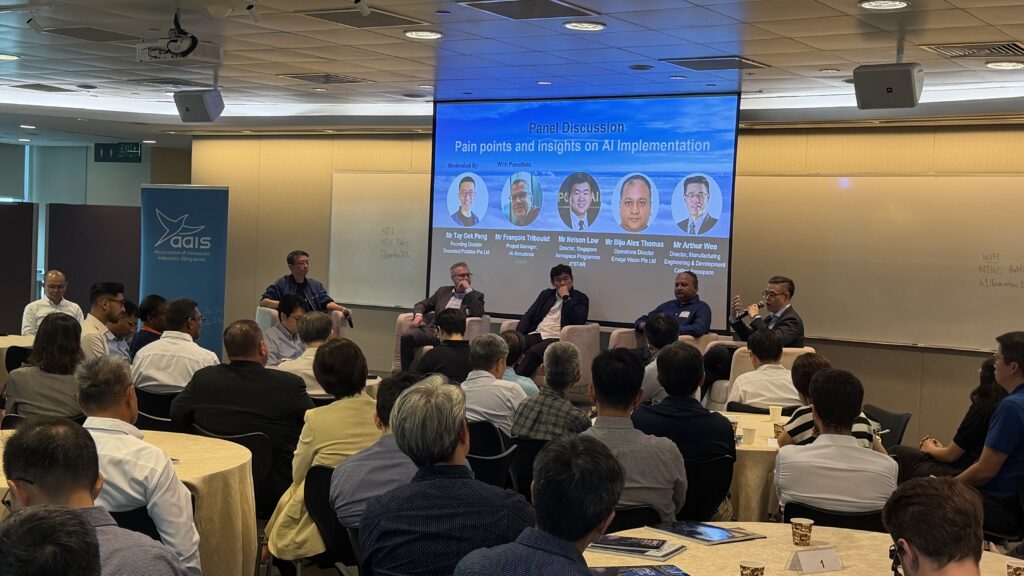
These conversations carried into a highlight of the seminar – a panel discussion moderated by Mr Tay Gek Peng, Founding Director of Grounded Practice and former Chief Digitalisation Officer of the Republic of Singapore Air Force. Joined by Mr Arthur Wee, Director of Manufacturing Engineering & Development at Collins Aerospace, together with returning speakers from EASA, A*STAR and Emage Vision, the panel explored the realities of implementing AI in aerospace, covering topics ranging from governance and workforce readiness to data quality, organisational change and return on investment.
Salient Discussion Points
- Harnessing Data Effectively: Rather than rushing to adopt AI for fear of missing out, participants agreed that meaningful AI outcomes depend on the quality of underlying data. In a live poll conducted during the seminar, participants identified data as the biggest challenge to implementing AI at scale. The industry’s emphasis on getting the data layer right reflects a mature understanding that AI is only as effective as the information it is built upon.
- The Tension Between Innovation and Compliance: For aerospace MRO, the challenge is not whether AI should be adopted, but how to do so within a highly regulated, safety-critical environment. Discussions explored how organisations can reconcile the need to innovate while maintaining the rigorous assurance and compliance standards expected by regulators and customers.One practical approach suggested by the speakers was to think evolution, not revolution. Organisations need not wait until every piece of infrastructure is AI-ready before embarking on their AI journey. Instead, companies were encouraged to begin with targeted, lower-risk use cases that do not rely on large, integrated datasets, such as AI-powered imaging and visual inspection, before progressively scaling to more complex applications as capabilities mature and regulatory frameworks continue to evolve.
-
AI should augment human expertise, not replace it: While AI can significantly improve areas such as analysis, pattern recognition and decision support, aerospace MRO will remain fundamentally human-centred. Safety- and security-critical decisions continue to require engineering judgement, with AI serving as an enabler for better and more informed decision-making.
Successful implementation depends on bringing together people who understand both operational realities and digital technologies. Capturing years of engineering know-how and “tribal knowledge”, and translating these into user-centric AI solutions, will require close collaboration between domain experts, business leaders, researchers and technologists.
Overall, the session reflected the Singapore aerospace community’s optimistic yet measured approach to AI adoption, with a shared recognition that successful implementation will depend on a clear vision, strong data and cybersecurity foundations, close collaboration in technology and solutions development, and responsible governance.
AAIS extends its sincere appreciation to our co-organiser, the NTUC Aerospace & Aviation Cluster, for hosting the event at the NTUC Centre, as well as our supporting partners, e2i and JTC Corporation, for their support. We also thank our speakers, panellists, facilitators, and participants for generously sharing expertise and contributing to the engaging discussions throughout the afternoon.
Recent Comments