
AAIS was pleased to support the inaugural Space Industry Forum (SIF) 2026, held on 19 May at the Fullerton Hotel in Singapore.
Co-organised by Novaspace and the Global Satellite Operators Association (GSOA), the forum built on the legacy of the Asia Video Industry Association’s (AVIA) Satellite Industry Forum. Billed as Asia’s leading C-level gathering for the space and satellite community, SIF 2026 brought together senior industry leaders, policymakers, and technology experts, setting the stage for a week of space-focused engagements during Asia Tech x Singapore.
As part of the programme, AAIS Senior Advisor Mr Sia Kheng Yok moderated a panel discussion titled “Digital Future: Next-Gen Space for a Smarter, Connected World”, featuring:
• Ms Despina Panayiotou Theodosiou, CEO, Tototheo Global
• Mr Mark Wong, SVP & Head of Group Strategic Planning, ST Engineering
• Mr Jason Buckalew, VP & Head of Asia Pacific, Gilat Satellite Networks
• Mr Ishan Baysal, Director for Programme Delivery, SpeQtral
The discussion highlighted several key themes shaping the future of the space sector:
- Space as critical infrastructure: Satellite systems are increasingly regarded as essential national infrastructure, no longer merely backup solutions. In many regions, they are becoming the primary digital fabric for connecting remote communities, islands, and maritime operations.
- Integration and interoperability challenges: The convergence of LEO and GEO satellites with private networks, cloud platforms, edge computing, and terrestrial systems is reshaping industry operations. For end-users, this promises seamless connectivity across fibre, satellite, and mobile networks. However, orchestrating across terrestrial and non-terrestrial networks (NTN) remains complex, with standardization and interoperability as major hurdles.
- Resiliency, coverage, and mobility: Satellite networks enhance resilience by decentralizing physical infrastructure—disrupting a constellation is far more difficult than severing terrestrial nodes or subsea cables. They also extend coverage to vast and remote regions and support mobility by enabling connectivity for aircraft and vessels that routinely traverse the globe.
- Sovereignty and security concerns: As reliance on space-based infrastructure grows, so do concerns over sovereignty and data security. Emerging quantum technologies, particularly quantum key distribution (QKD), offer potential breakthroughs in next-generation cybersecurity, leveraging space-based platforms to deliver enhanced protection for communication networks.
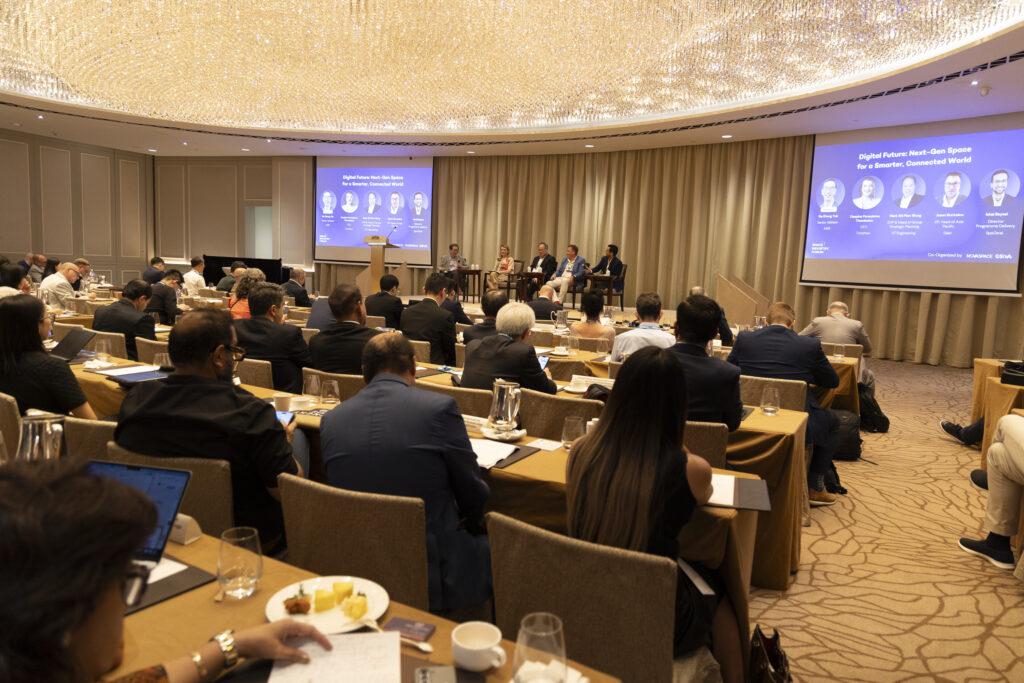
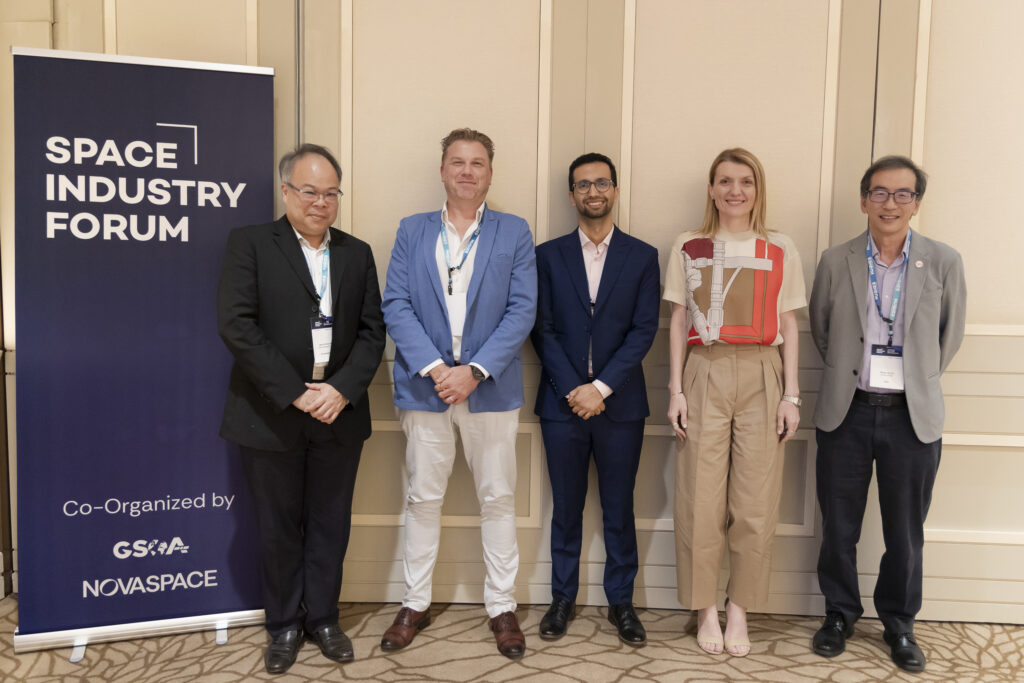
Photos: Novaspace
The discussions reinforced the growing importance of space technologies as part of the digital infrastructure underpinning modern economies. As the sector continues to evolve, collaboration across industry, government, and academia will be essential to unlocking new opportunities and addressing future challenges.
Recent Comments