
In step with rapid technological advancements, organisations across the aviation value chain are actively exploring how AI can be integrated into daily operations while carefully balancing implementation, safety and security considerations. To unpack these opportunities and challenges, AAIS organised a seminar on “AI Adoption and Practical Use Cases for Aerospace” on 17 March 2025 at IMDA PIXEL Hub. Supported by the Employment and Employability Institute (e2i) and Workforce Singapore (WSG), the event brought together a capacity audience of over 80 participants from across the sector.
The session commenced with welcome remarks from AAIS Chief Executive Chew Hwee Yong, who highlighted the growing relevance of AI across aerospace operations. These include enhancing planning and operational responsiveness, improving supply chain resilience amid bottlenecks and rising costs, and addressing productivity and manpower constraints. He reaffirmed AAIS’s role as a journey partner for transformation—facilitating connections between members and emerging AI solutions to support practical adoption.
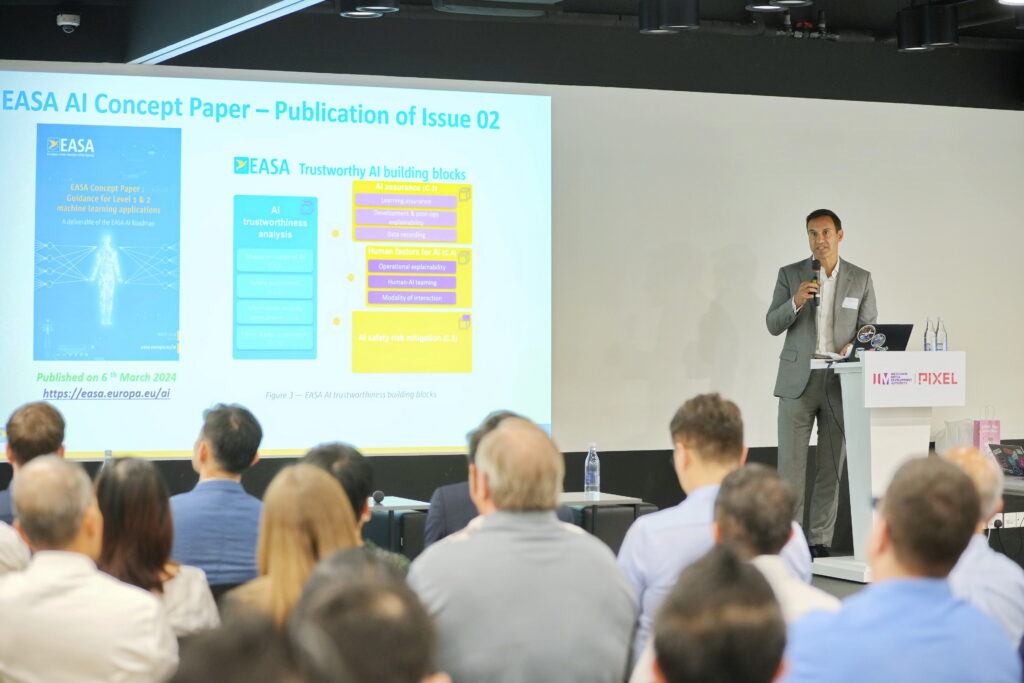
Mr David Waller, European Union Aviation Safety Agency (EASA) Representative in Southeast Asia, opened the technical discussions with a presentation on “The EASA AI Roadmap for Aviation – Ethics and Evolution.” First published in 2024, the EASA AI Roadmap is a living document outlining the Agency’s vision for the safe and ethical deployment of AI in aviation. It provides a structured action plan for the EASA AI Programme and guides forthcoming regulatory and conceptual frameworks. Mr Waller shared how EASA is preparing for a phased evolution of AI in aviation—from assisted to increasingly autonomous systems, and highlighted emerging use cases across operations, training and air traffic management. He also underscored EASA’s emphasis on ethics, trust, and human oversight, sharing survey insights that reflect strong industry support for regulated, transparent, and accountable AI deployment.
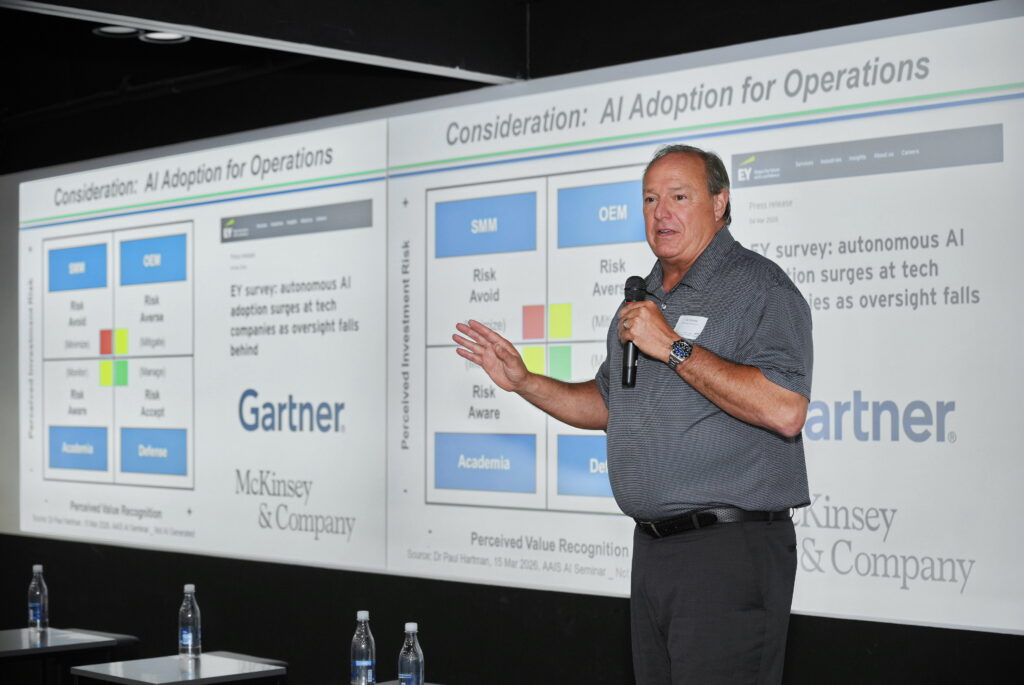
Dr Paul Hartman from RGBSI Aerospace and Defense then spoke on “AI Considerations for Aerospace & Defense Operations.” Drawing on extensive experience with the US Department of Defense, he presented real-world applications of “algorithmic warfare” across autonomy, digital engineering, logistics, and global manufacturing networks. He emphasised that AI adoption is fundamentally risk-based and addressed the challenges of scaling trusted AI systems. He also highlighted growing concerns around agentic AI, cybersecurity, and the importance of robust governance frameworks.
He also highlighted growing concerns around agentic AI, cybersecurity, and the importance of robust governance frameworks. A key takeaway was a practical framework mapping organisations by AI investment risk and corresponding risk posture—reinforcing that AI adoption is shaped less by technology itself and more by organisational context and risk appetite.
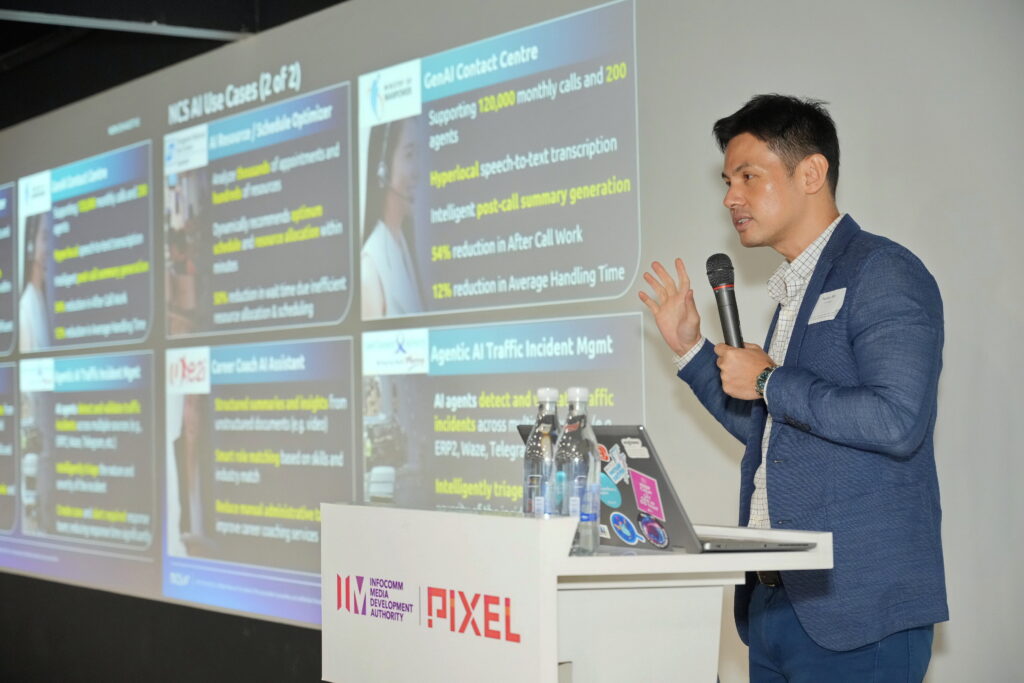
Mr Royston Bok from NCS Singapore then presented on “Cross-Sector Use Cases and What Aerospace Can Learn.” Drawing on deployments across government, transport, healthcare, and critical infrastructure, he illustrated how generative and agentic AI are already delivering measurable value through automation, optimisation, and always-on services. Examples included runway foreign object detection and AI interfaces for client servicing. He also highlighted the “AI value paradox,” noting that many organisations struggle to realise returns without process redesign, governance maturity, and the right platforms and talent.
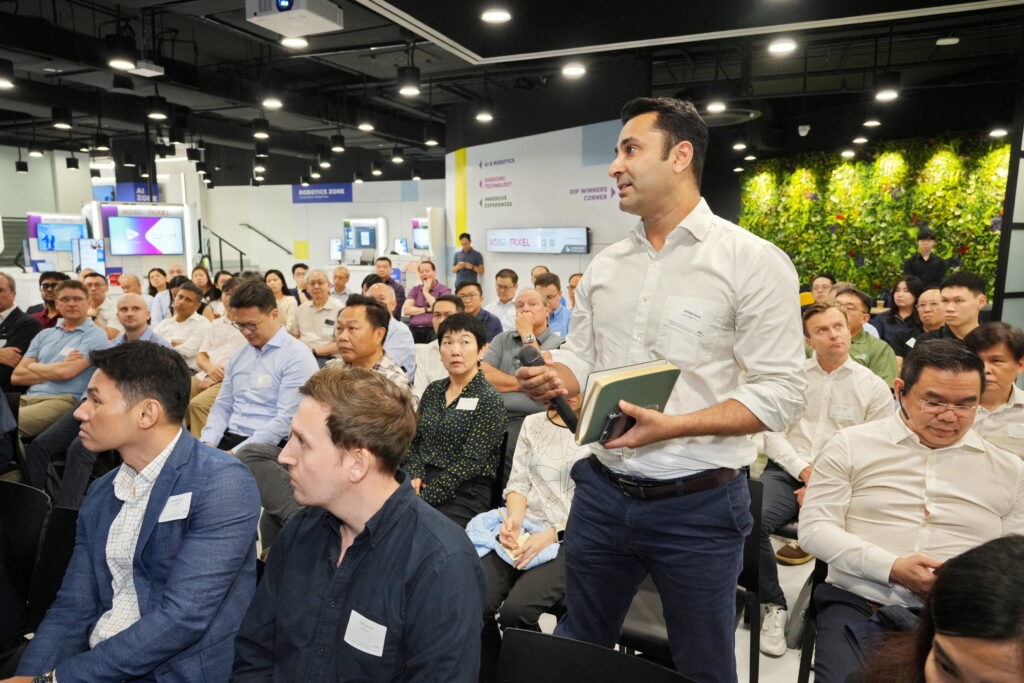
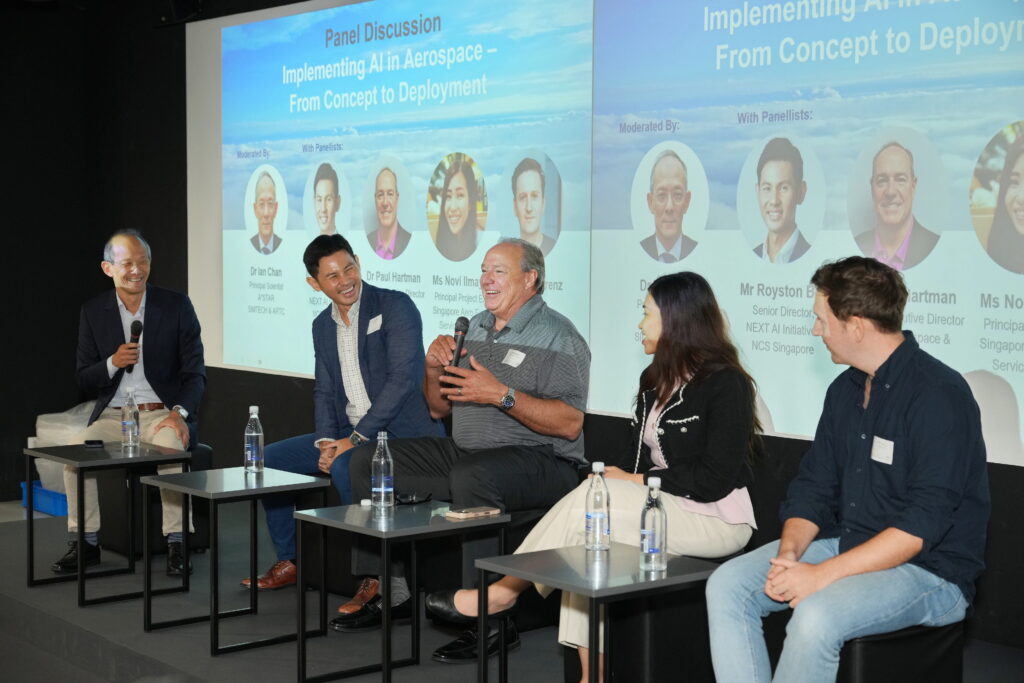
A key highlight of the session was the panel discussion moderated by Dr Ian Chan, Principal Scientist at A*STAR SIMTech and ARTC. The panel featured Dr Hartman and Mr Bok, alongside Mr Max Lorenz, CTO of Soji AI, and Ms Novitria Ilmayani, Principal Project Executive at Singapore Aero Engine Services (SAESL), who brought the industry end-user and solutions perspectives, respectively. The panellists delved into the practical “how” of AI adoption across the aerospace and aviation value chain.
Key takeaways:
- AI is advancing rapidly — requiring more agile and adaptive approaches to implementation.
This is reshaping how organisations approach deployment, requiring more iterative, flexible, and adaptive implementation models rather than traditional linear rollouts. - AI is not a silver bullet — value lies in identifying the right use cases alongside complementary technologies.
AI delivers value only when applied to well-defined operational challenges. Its impact is maximised when integrated with other enabling technologies and broader system redesign, rather than treated as a standalone solution. - Data integrity is foundational — quality data and robust infrastructure remain critical to trusted AI deployment
Across use cases, data was identified as the core determinant of AI success. Without reliable, well-governed, and integrated datasets supported by strong infrastructure AI systems cannot scale effectively or deliver trusted outcomes. - The human factor matters — workforce readiness, change management, and process redesign are essential to successful adoption
This includes workforce upskilling, structured change management, and, critically, rethinking and redesigning processes to fully realise AI-enabled value.
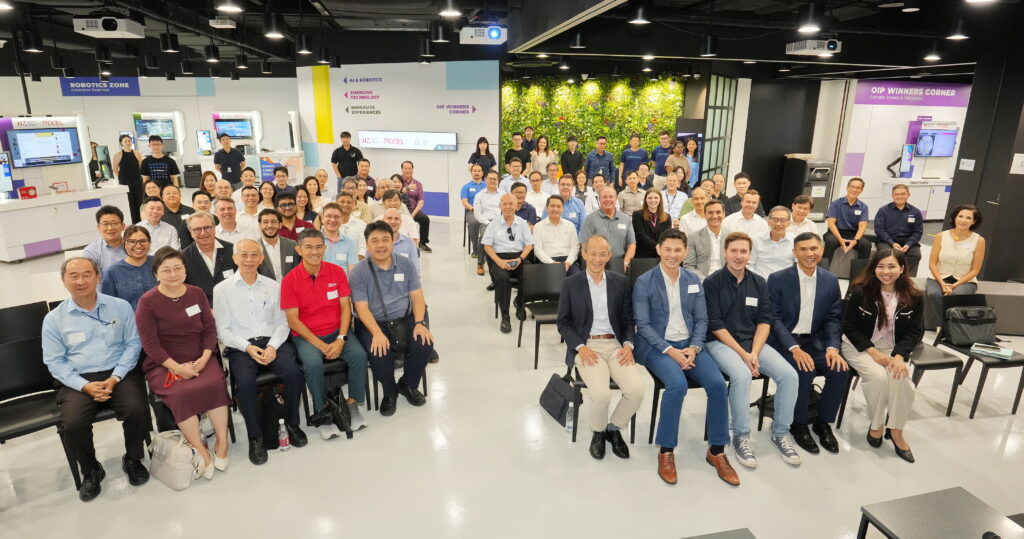
Echoing the need for organisational readiness and redesign, participants also heard from supporting partners e2i and Workforce Singapore (WSG), who shared workforce development initiatives and programmes available to help companies build AI capabilities. These include technology grants, job redesign and support for manpower upskilling initiatives.
The session concluded with an open visit to demonstrations around the IMDA PIXEL Hub, which provided an opportunity for participants to engage directly with solution providers and explore AI tools ready for deployment or adaptation.
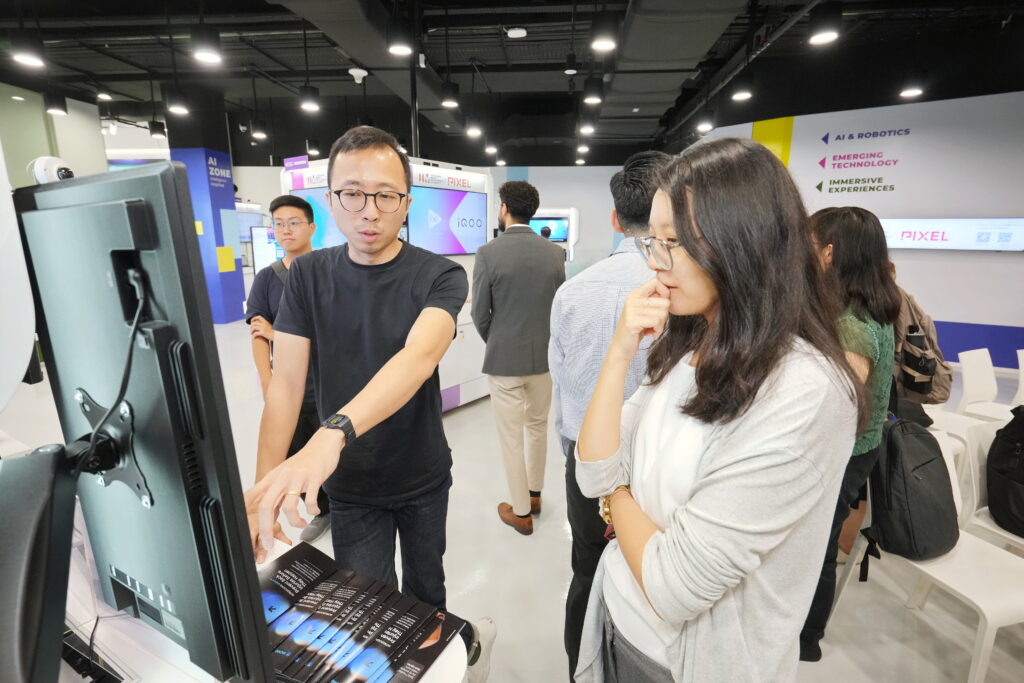
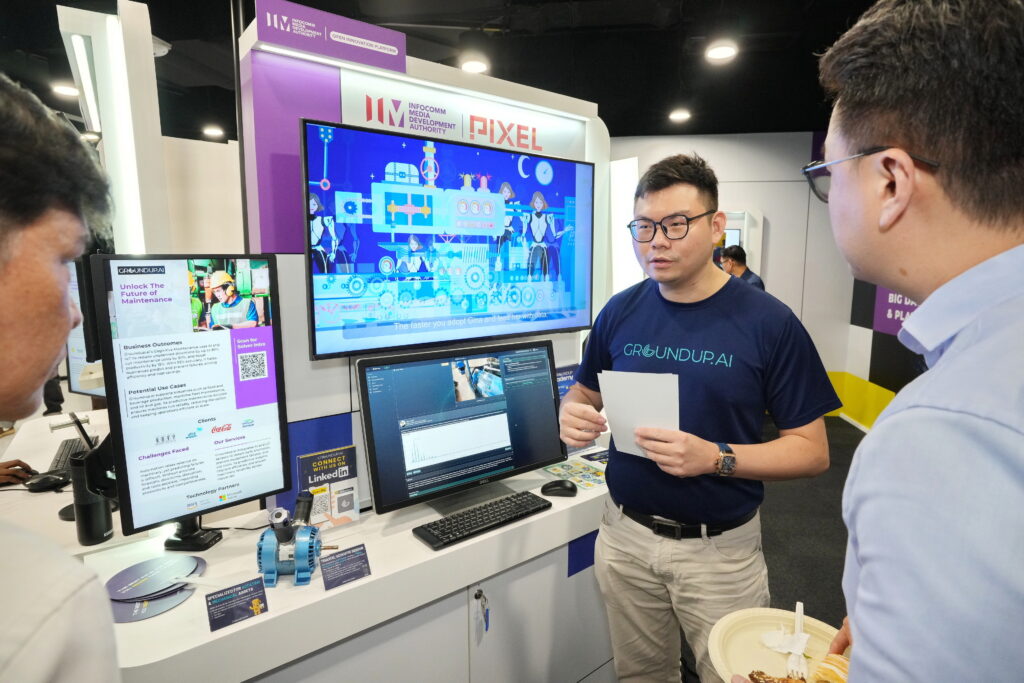
We extend our sincere appreciation to our speakers, panellists, and partners, as well as all participants, for contributing to a rich and thought-provoking exchange. AAIS looks forward to continuing these industry conversations on practical AI applications, including smart MRO, supply chain optimisation, and operational efficiency, and welcomes members to share their journeys and experiences for collective learning.
Recent Comments